
Dining Objects: Redefining the Hotel Experience Through Tabletop Design
Reflections from the 100% Hotel Show
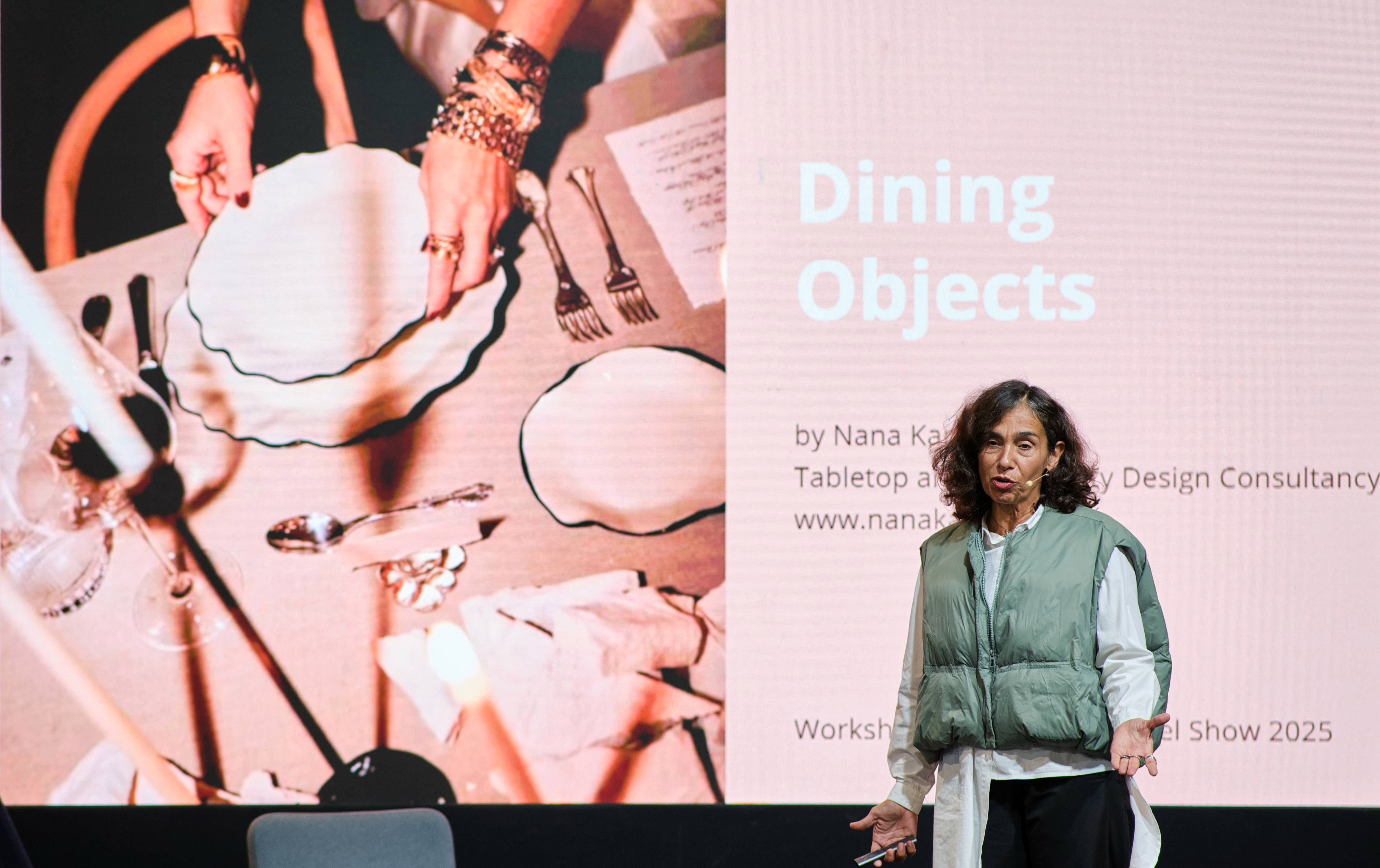
At this year’s 100% Hotel Show, I presented the workshop “Dining Objects: The Role of Tabletop in the Hotel Experience”, focusing on a topic that is often overlooked yet profoundly influential in shaping a guest’s perception: the objects on the dining table. During the session, I explored how the items we place on a table influence far more than the visual presentation of a meal – they shape perception, define atmosphere, and contribute to the overall identity of a hospitality space.
Below are the key insights and discussions that emerged.
The table as a place of connection
The experience of gathering around a table is timeless. It is where connection happens, conversations unfold, and memories form. In modern hospitality, this act has evolved into a multi-layered, emotional experience that extends far beyond taste.
We discussed how today’s guests seek:
- authenticity
- sensory richness
- meaningful moments worth sharing
The data reinforces this shift:
- About 70% of travelers evaluate a hotel based on its food & beverage offering.
- In the digital era, #food remains among the most shared and influential hashtags, highlighting how dining moments shape brand visibility.
The meal as a holistic experience
A key theme of the workshop was understanding the dining experience as a whole — a system shaped by four interconnected elements:
1. Menu – the culinary story
2. Design & ambiance – the emotional backdrop
3. Service – the human element
4. Presentation – where concept and sensorial experience meet
Together, these components create the atmosphere that defines the guest’s impression. Participants shared examples of how even the smallest details — the weight of a glass, the texture of a plate, the temperature of cutlery — can influence the perception of the food and the overall experience.

Tabletop objects as strategic tools
One of the strongest insights was that tabletop decisions are not merely aesthetic. They are strategic and measurable.
Thoughtful tabletop design can:
- Elevate the gastronomic experience, enriching taste and presentation.
- Strengthen the identity of the restaurant or hotel concept.
- Differentiate the brand in a competitive landscape.
- Improve operational flow, reducing breakages and enhancing efficiency.
- Enhance digital presence, encouraging guests to capture and share moments organically.
Research indicates that investing in well-designed tabletop elements can lead to a noticeable increase in positive reviews — a point that sparked enthusiastic discussion.
A multisensory journey
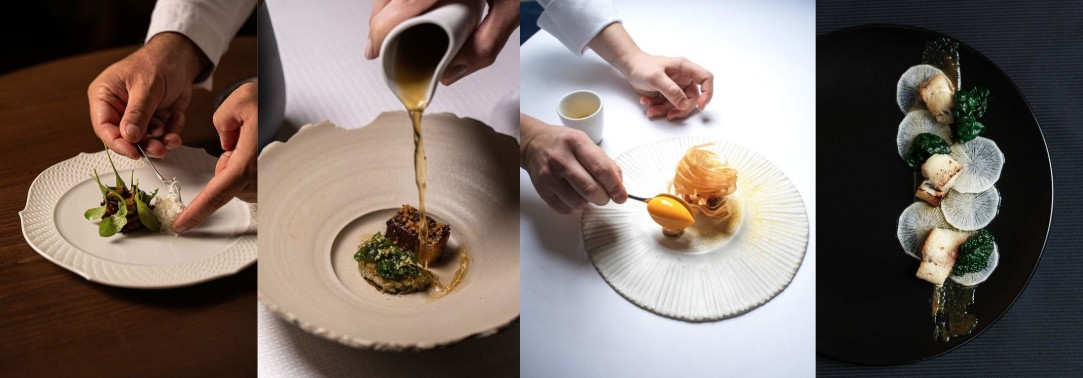
Dining is inherently multisensory: sight, touch, smell, taste. This means tabletop objects are not passive “props” — they are active contributors to the emotional and aesthetic experience.
Throughout the workshop, we explored how plates, glasses, cutlery, linens, and tabletops:
- communicate craftsmanship
- shape brand storytelling
- set the tone for the entire dining ritual
These are often the touchpoints guests remember long after the meal is over.
Questions that sparked reflection
- Does your tabletop reflect the experience your space promises?
- Does it create a visual identity strong enough to stand out in the digital landscape?
- Does it enhance your operational performance as effectively as your aesthetics?
These questions continue to inspire meaningful conversations in the hospitality community. The workshop reaffirmed something essential: dining objects are not just accessories; they are ambassadors of the guest experience.
If you were part of the session, thank you for your engagement. If you’d like to continue the conversation, or explore how tabletop design can elevate your own hospitality concept, I’m always happy to connect.